
Amaryllis’ Central District Photography: Capturing Seattle’s Historic Corner Store Legacy
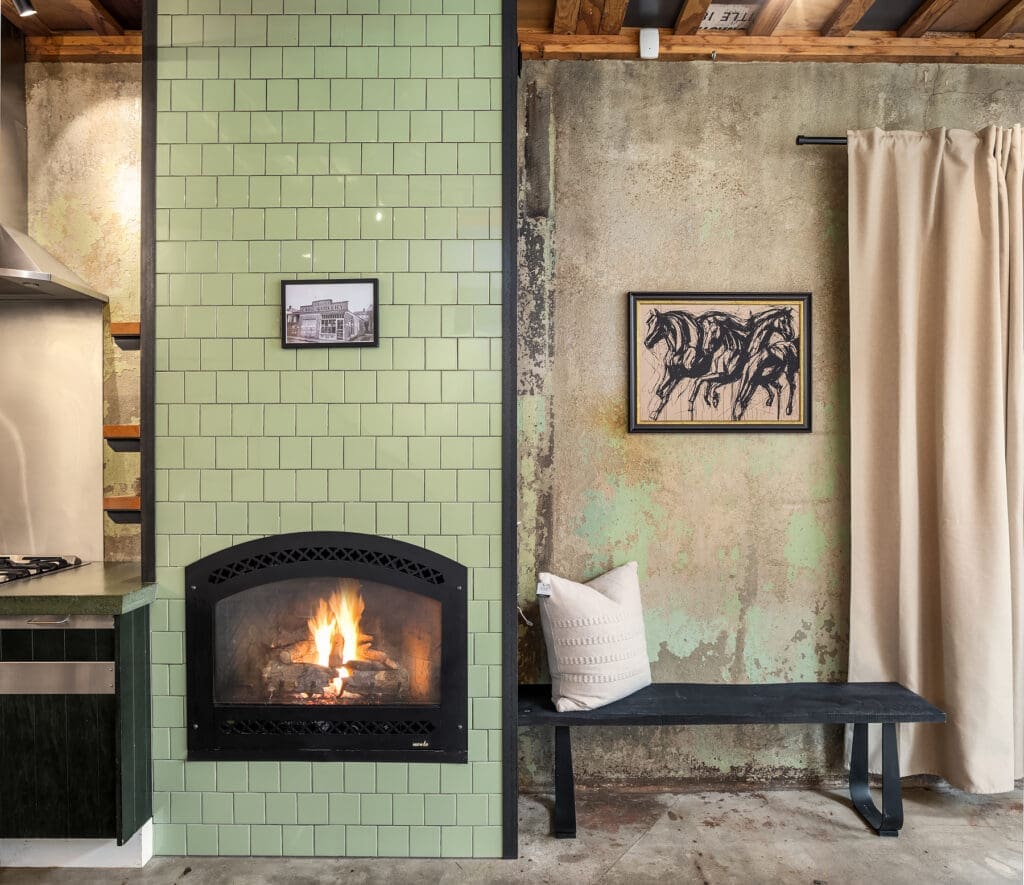
When History Becomes Home: A 1922 Landmark Reimagined When Adam Heater and Ben Buckley of Windermere Real Estate listed the historic corner store at 112 18th Avenue, they needed photography that could honor both the building’s past and its transformation. Amaryllis of Clarity Northwest delivered exactly that. Amaryllis‘ Central District photography captures what happens when a 1922 Black-owned butcher and grocery store—founded by the Humphreys family and remembered as the only such business in the immediate neighborhood—becomes a 1,880-square-foot modern home without losing its soul. This isn’t just real estate photography; it’s visual documentation of Seattle’s layered history meeting contemporary design. The Property: 112 18th Avenue’s Century-Long Journey The Humphreys family founded this corner store circa 1922 in Seattle’s historically Black Central District. According to listing agent Adam Heater, “It’s remembered as the only Black-owned butcher and grocery store in the immediate neighborhood.” Neighbors still recognize it as “the old store,” which feels like a meaningful reminder of the area’s layered history. While many corner stores disappeared with the rise of the automobile, this former grocery lives on as an eccentric single-family home. The big windows mean the property is still recognizable as a former storefront—a detail Amaryllis’ Central District photography emphasizes throughout the shoot. The transformation is complete: 3 bedrooms, 2¾ baths, chef’s kitchen with butcher-block counters and professional appliances, NanaWall doors opening to sweeping city and Olympic Mountain views, multiple decks including a rooftop terrace. Rustic details—reclaimed wood, polished concrete, and restored storefront windows—blend seamlessly with smart home features, air conditioning, and updated systems. Listed at $992,500, the home represents a rare opportunity to own a piece of Central District history. For context on Seattle’s historic corner stores and their role in neighborhood identity, see the Seattle Department of Neighborhoods Historic Preservation resources. Seattle Met’s coverage of the property is available here. Why Historic Properties Demand Specialized Photography Photographing a property like 112 18th Avenue requires more than technical skill—it requires understanding how to balance past and present in a single frame. Amaryllis’s assignment for this Amaryllis’ Central District photography project was to show: Storefront Character Without Commercial Feel The home proudly advertises its storefront origins with a windowed facade abutting the sidewalk. Amaryllis needed to capture that distinctive architecture—the kind passersby still recognize as “the old store”—while making clear this is now a residence, not a commercial space. Historic Materials in Modern Context Reclaimed wood, polished concrete—these aren’t decorative choices; they’re the building’s original bones integrated into contemporary living spaces. Amaryllis’ Central District photography had to preserve the texture and authenticity of these materials while showing how they function in a smart home with modern systems. Layered History Central District’s identity is inseparable from its Black community history. This corner store represents that legacy. Amaryllis’s photography needed to communicate the weight of that history without sentimentality—honest documentation that respects the Humphreys family’s contribution to the neighborhood. Amaryllis’s Approach to the Historic Corner Store Amaryllis Amaryllis is one of Clarity Northwest’s photographers for properties where history intersects with contemporary design. The 112 18th Avenue shoot demonstrates why. Natural Light and Storefront Windows The defining architectural feature—those large storefront windows—became the key to Amaryllis’s lighting strategy. Rather than fight the natural light flooding through street-facing glass, Amaryllis shot during optimal times when interior and exterior light balanced naturally. This preserved the feeling of transparency and street connection that defines corner store architecture. Material Fidelity Reclaimed wood reads differently depending on finish, age, and surrounding materials. Polished concrete has its own tonal range. Amaryllis’s color correction ensured each material photographed true to its physical presence—critical for buyers evaluating the home’s rustic-industrial aesthetic. Spatial Storytelling 1,880 square feet doesn’t sound large, but corner store conversions often feel more spacious than their square footage suggests due to high ceilings and open plans. Amaryllis’ Central District photography captured that sense of volume while maintaining accurate scale. Rooftop and View Documentation The top-floor retreat where NanaWall doors open to sweeping city and Olympic Mountain views required careful timing. Amaryllis’ shot during conditions that showed both the indoor-outdoor connection and the quality of those views—essential for positioning a $992,500 listing in a competitive Central District market. Gallery Highlights: What Amaryllis Captured Storefront Facade and Street Presence The exterior shot establishes the property’s corner store DNA immediately. Large windows, sidewalk-adjacent positioning, and the recognizable commercial architecture that neighbors still identify as “the old store.” Amaryllis framed this to show both historic character and residential warmth—lights glowing from within, suggesting home rather than business. Chef’s Kitchen and Reclaimed Details The kitchen exemplifies the property’s design philosophy: butcher-block counters (nodding to the building’s butcher shop past), professional appliances, open shelving, and reclaimed wood throughout. Amaryllis captured the balance between working kitchen functionality and design-forward material choices. Alt text: “Amaryllis Seattle photographer historic corner store chef’s kitchen reclaimed wood butcher block” Living Spaces with Industrial Character Polished concrete floors, exposed structural elements, and rustic wood create a cozily industrial main floor. Amaryllis’s interior photography preserved the texture of these materials without the HDR oversaturation that plagues many industrial-style listings. Top-Floor Retreat and NanaWall Integration The home’s highlight: NanaWall doors opening to city and Olympic Mountain views. Amaryllis photographed this space showing both the architectural drama of the folding glass system and the quality of the views it reveals—critical for justifying the home’s premium positioning. Outdoor Living and Rooftop Deck Multiple decks extend living outdoors. Amaryllis captured how these spaces function for entertaining and sunset-watching—lifestyle elements that differentiate this property in the Central District market. The Central District Market: Why Photography Defines Value Central District real estate operates at the intersection of history, community identity, and urban gentrification. Properties here aren’t just buildings—they’re cultural markers. For a historic corner store founded by a Black family in 1922, that cultural significance multiplies. Amaryllis’ Central District photography positions 112 18th Avenue not as a novelty (“look, a store became a house!”) but as a serious residential offering with irreplaceable historic character. At $992,500, the home competes with new construction and renovated